

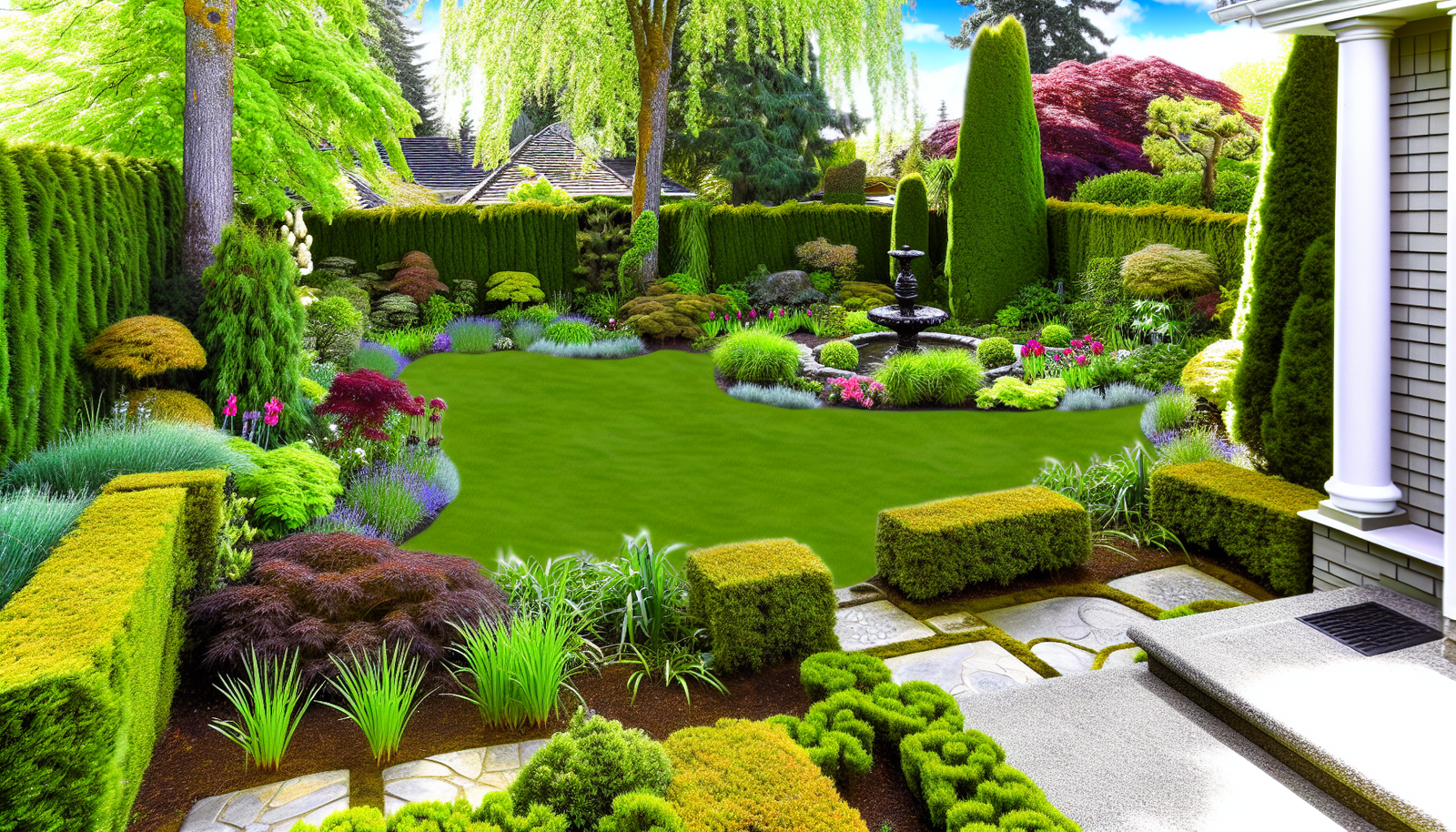
Landscaping is more than just planting trees and mowing lawns; it’s an art and science that shapes the visible features of land, creating functional and beautiful outdoor environments. If you’ve ever searched for landscaping near me or explored various landscaping services, understanding the core concepts of landscape design and maintenance is crucial for making the best choices for your home.
What Is Landscaping and Why Does It Matter?
Landscaping is much more than simply tending to gardens or planting flowers; it is an intricate process involving the deliberate modification and organization of natural terrain and resources to create aesthetically pleasing and functional environments. Emerging from ancient civilizations that arranged outdoor spaces for both utility and beauty, modern landscaping now uses a harmonized blend of living elements like plants and trees, non-living features such as rocks, paths, and water installations, and thoughtful design concepts inspired by both art and nature.
Landscaping transforms the spaces around us, shaping everything from intimate residential yards to sprawling public parks. Unlike straightforward gardening, landscaping involves altering the contours of land, managing drainage, creating focal areas, and integrating both plant and hardscape elements. For example, a well-designed backyard may combine gracefully curved planting beds with stone walkways, stylish retaining walls, and dramatic outdoor lighting to craft an inviting atmosphere. These touches go far beyond simple gardening, resulting in outdoor living areas that reflect personal style and local traditions.
The importance of landscaping is multi-faceted. Thoughtfully designed landscapes significantly enhance property value, making homes more appealing to potential buyers. They also promote well-being by creating spaces for relaxation, social gatherings, or quiet reflection, seamlessly extending living space into the outdoors. Furthermore, strategic landscaping can improve environmental quality by managing stormwater, providing habitat for wildlife, and reducing heat through shade.
Landscapes play a vital role in defining local identity. For instance, the arid, stone-accented yards of the American Southwest differ dramatically from the lush, tree-lined gardens found in the Pacific Northwest, instantly conveying a sense of regional character. Whether through native plant selection, traditional materials, or unique spatial arrangements, landscaping weaves together cultural and natural threads, shaping the distinctive atmosphere of neighborhoods and communities.
Types of Landscapes and Their Elements
Landscapes are as diverse as the environments they inhabit, each defined by unique demands, functions, and creative possibilities. Residential landscaping focuses on crafting personal havens—front yards, back gardens, and patios—designed to balance privacy, recreation, and curb appeal. In contrast, commercial landscapes prioritize accessibility, durability, and visual harmony for businesses, schools, or retail centers, often incorporating broad pathways, signage, and parking considerations. Urban landscapes introduce green spaces into dense city settings, relying on pocket parks, rooftop gardens, and street plantings to counteract concrete and create breathing room. Rural landscapes emphasize harmony with the broader environment, focusing on fields, orchards, or large-scale gardens that blend seamlessly with natural surroundings. Natural environments, meanwhile, strive to preserve and highlight existing ecological features, fostering biodiversity and sustainability.
Several physical elements shape these diverse landscapes. Landforms—such as hills, terraces, or flat expanses—set the foundational structure. Vegetation provides both function and form, using trees, shrubs, flowers, and groundcovers to define zones, offer shade, and inject seasonal color. Water features, whether ponds, streams, or fountains, introduce movement and calm, attracting wildlife and offering sensory richness. Lighting, both natural and artificial, shapes mood and accessibility, extending the enjoyment of outdoor spaces into the evening. Structures like pergolas, walls, fences, and patios create functional zones for gathering and movement.
Blending natural and human-made elements is key to striking landscapes. Combining vibrant plantings with sleek walkways, or setting organic stonework beside soft lawns, generates dynamic contrasts. Attention to color, texture, and arrangement orchestrates the viewer’s experience: cool hues suggest calm, whereas bold colors command attention. Mixing fine and coarse textures, layering heights, and clustering plants or features leads to visual interest and cohesion. Thoughtful composition ensures every element serves the overall vision, resulting in outdoor spaces that are both beautiful and deeply functional.
The Landscaping Process: From Concept to Completion
The landscaping process unfolds through a series of meticulously planned stages, each essential to turning an outdoor vision into a tangible, thriving environment. It begins with a comprehensive site assessment, where professionals evaluate the property’s unique characteristics—paying close attention to patterns of sun and shade, existing vegetation, soil composition, drainage patterns, and prevailing winds. Understanding these local conditions is vital for creating a sustainable design that thrives over time and minimizes maintenance needs.
Following assessment, the design phase takes center stage. Skilled designers collaborate with homeowners to create customized plans that reflect aesthetic preferences, lifestyle needs, and functional goals. Emphasis is placed on incorporating native and adaptive plants, which are best suited to the local environment and reduce water and chemical requirements. The planning stage also addresses the placement of hardscape elements like patios, walkways, retaining walls, and fences, as well as the integration of features such as water elements, fire pits, or outdoor lighting.
Once the design is approved, implementation commences, beginning with grading and soil amendments to ensure proper drainage and foundation for new plantings. During this phase, professional crews use specialized equipment to efficiently clear, sculpt, and prepare the landscape, minimizing disruption to the surrounding environment. Installation continues with the precise planting of shrubs, trees, and groundcovers, always with consideration to mature sizes and ecological harmony. Hardscape construction, irrigation system integration, and the addition of water features are completed by skilled technicians, ensuring longevity and aesthetic appeal.
Throughout every step, experienced landscapers remain attentive to ecological impact—employing sustainable practices such as using permeable materials, harvesting rainwater, and preserving existing trees where possible. This thoughtful approach supports local biodiversity, conserves resources, and results in outdoor spaces that add both beauty and value to the property.
Selecting Landscaping Services Near Me
Selecting the right landscaping services near you is a pivotal step in transforming your outdoor space into a valuable extension of your home. Key considerations begin with assessing a service provider’s expertise. Experienced professionals not only have the technical know-how to execute complex landscape installations, but they can also distinguish between fleeting trends and timeless, regionally appropriate designs. Request to review their portfolio of completed projects, particularly those similar to your own goals or property style. A robust portfolio is a testament to versatility and proficiency.
Equally important is examining reviews and testimonials from previous clients. These candid insights reveal the consistency and reliability of a landscaper’s work, their punctuality, communication, and adherence to budget. Online platforms, community forums, and social media can offer a panorama of unbiased opinions.
Certifications and licenses are critical markers of professionalism and compliance with local regulations. Check that the landscaping company holds up-to-date credentials, such as state or municipal licenses and insurance coverage, which protect you and indicate dedication to industry standards and continuing education.
Another often underestimated factor is local knowledge. Local professionals understand nuances like the region’s seasonal shifts, native plant species, soil characteristics, and water restrictions. This expertise allows them to propose landscaping solutions that are not only attractive, but also sustainable and easier to maintain over time. Local landscapers often have established relationships with area suppliers, possibly leading to cost savings and access to higher-quality materials.
When you’re ready to move forward, carefully review all contracts. Look for clarity on project scope, timeline, payment schedules, warranties, and ongoing maintenance options. Be cautious of vague language or open-ended clauses. A crystal-clear agreement lays the groundwork for a smooth partnership—ensuring that future enhancements or long-term upkeep align perfectly with your landscape’s evolving needs.
Maximizing the Value and Enjoyment of Your Landscaped Space
Maintaining and enjoying your transformed landscape involves a blend of consistent care, seasonal attention, and meaningful enhancements. Once your landscaping project is complete, an essential routine is ongoing upkeep, which not only preserves your investment but also ensures it continues to evolve beautifully. Effective maintenance includes regular mowing, pruning, weeding, mulching, and watering to keep your plants healthy and attractive. For those who’ve chosen native or low-maintenance species, these routines may require less effort and reduce the need for chemical interventions.
Seasonal changes can significantly affect your landscape, making it important to adapt your care accordingly. In spring, focus on fertilizing, planting new additions, and cleaning up winter debris. Summer may demand vigilant watering, pest monitoring, and shading sensitive plants. Come autumn, leaf removal, soil amendments, and preparing perennials for dormancy ensure a smooth transition to winter. Even in colder months, protecting vulnerable plantings and hardscape elements helps your landscape weather storms and frost.
To maximize both appeal and usability, consider integrating amenities. Seating areas invite you to linger in your garden, offering spaces for relaxation or entertaining guests. Outdoor lighting enhances safety, highlights key features, and extends your enjoyment into the evening. Edible gardens, such as raised beds or fruit trees, not only introduce fresh flavors to your kitchen but also become a source of pride and sustainability.
Beyond beauty, well-maintained landscapes offer tangible benefits like increased property value, an enriched sense of well-being, and contributions to local biodiversity. Partnering with landscape professionals for ongoing maintenance or future upgrades ensures your space adapts to changing needs and trends. Their expertise can guide you in making incremental improvements—ensuring that your outdoor haven continues to flourish for years to come.
Conclusions
In conclusion, thoughtful landscaping integrates art, science, and local expertise to transform outdoor spaces into beautiful, functional extensions of our homes. By understanding the process and selecting the right local landscaping services, you can enrich your environment, boost your property’s value, and create outdoor areas you’ll love for years to come.